


Hey there! I'm a supplier of butterfly cone fans, and today I wanna chat about how the angle of the blades in a butterfly cone fan impacts its performance.
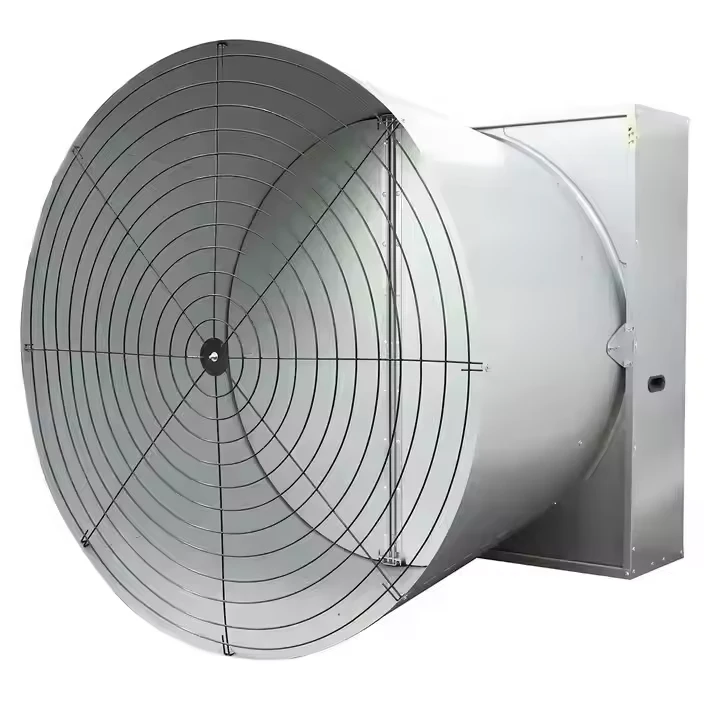
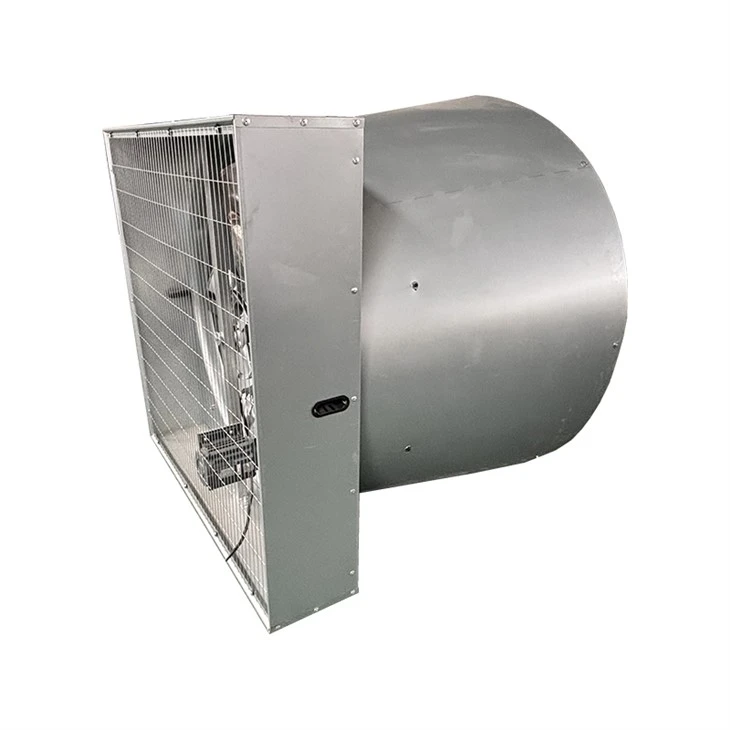
First off, let's understand what a butterfly cone fan is. It's a type of ventilation equipment that's widely used in various settings, like poultry farms, industrial buildings, and more. The unique design of the butterfly cone fan, with its cone - shaped structure and blades, gives it some distinct advantages over other types of fans.
Now, let's dig into the blade angle. The blade angle is basically the angle at which the blades are set relative to the plane of rotation. This angle plays a crucial role in determining how well the fan works.
Airflow Generation
One of the most important aspects of a fan's performance is its ability to generate airflow. The blade angle directly affects the amount of air that the fan can move. When the blade angle is larger, the blades can scoop up more air as they rotate. This means that the fan can generate a higher volume of airflow. For example, in a large poultry farm, a fan with a larger blade angle can quickly move a significant amount of air through the building, helping to keep the environment fresh and reducing the risk of diseases caused by stale air.
However, it's not all about having the biggest blade angle possible. If the blade angle is too large, the fan may encounter more resistance from the air. This can cause the motor to work harder, leading to increased energy consumption. In an industrial setting where fans run for long hours, this can translate into higher electricity bills. So, there's a sweet spot for the blade angle that maximizes airflow while keeping energy consumption in check.
Pressure Generation
Another key factor is the pressure that the fan can generate. Pressure is important because it allows the fan to push air through ducts or against resistance. A fan with a well - optimized blade angle can generate enough pressure to move air through long ventilation ducts in a building. For instance, in a multistory industrial building, the fan needs to create sufficient pressure to force air up through the ducts to the upper floors.
A smaller blade angle can sometimes be better for generating pressure. Blades with a smaller angle can slice through the air more efficiently, creating a higher pressure differential. But again, if the angle is too small, the airflow volume will be reduced. So, finding the right balance between blade angle, airflow, and pressure is essential for the overall performance of the butterfly cone fan.
Noise Level
The blade angle also has an impact on the noise level of the fan. When the blades rotate, they interact with the air, and this interaction can create noise. A fan with a poorly designed blade angle may produce a lot of noise, which can be a nuisance in both residential and industrial settings.
Blades with a more optimized angle tend to create less turbulent airflow, resulting in quieter operation. In a poultry farm, a quiet fan is beneficial because excessive noise can stress the birds, affecting their growth and productivity. So, as a supplier, we always try to design our butterfly cone fans with blade angles that minimize noise while maintaining good performance.
Real - World Applications
Let's take a look at some real - world scenarios where the blade angle makes a difference. In a poultry farm, proper ventilation is crucial for the health of the birds. A High Quality And Hot Sale Butterfly Cone Fan For Poultry Equipment with an ideal blade angle can ensure that fresh air is constantly circulated throughout the building. This helps to remove ammonia and other harmful gases, keeping the birds healthy and reducing the need for expensive medications.
In an industrial environment, a Large Airflow And High Quality Ventilation Equipment Industrial Butterfly Cone Fan with the right blade angle can efficiently remove heat and pollutants from the workspace. This improves working conditions for employees and can also protect sensitive equipment from overheating.
For a dairy farming house, a 50inch Butterfly Cone Exhaust Fan For Poultry Farm Equipment Cow Cattle Dairy Farming House Ventilation Cooling with an appropriate blade angle can provide effective cooling and ventilation. The angle of the blades allows the fan to move a large volume of air, which helps to keep the cows comfortable, especially during hot summer months.
Blade Angle Optimization
As a supplier, we spend a lot of time optimizing the blade angle of our butterfly cone fans. We use advanced computer simulations and real - world testing to find the best angle for different applications. We consider factors like the size of the space, the required airflow, and the available power supply.
We also take into account the specific needs of our customers. For example, some customers may prioritize energy efficiency, while others may need a fan that can generate a high volume of airflow quickly. Based on these requirements, we can adjust the blade angle of our fans to meet their expectations.
Conclusion
In conclusion, the blade angle of a butterfly cone fan has a profound impact on its performance. It affects airflow, pressure generation, and noise level. As a supplier, we're constantly working to find the optimal blade angle for our fans to provide the best possible performance for our customers.
If you're in the market for a butterfly cone fan, whether it's for a poultry farm, an industrial building, or a dairy farming house, we'd love to have a chat with you. We can help you choose the right fan with the perfect blade angle for your specific needs. Contact us for a detailed discussion and let's find the ideal ventilation solution for you.
References
- "Ventilation Systems in Agricultural Buildings" - A research paper on the principles of ventilation and the role of fan blade angles.
- "Industrial Fan Design and Performance" - A book that delves into the technical aspects of fan design, including blade angle optimization.


