


Ensuring the stability of an industrial fiberglass fan during operation is crucial for both the efficiency of the ventilation system and the longevity of the fan itself. As an industrial fiberglass fan supplier, I've seen firsthand how a stable fan can make a huge difference in various settings, from livestock barns to warehouses. In this blog, I'll share some key tips on how to keep your industrial fiberglass fan running smoothly.
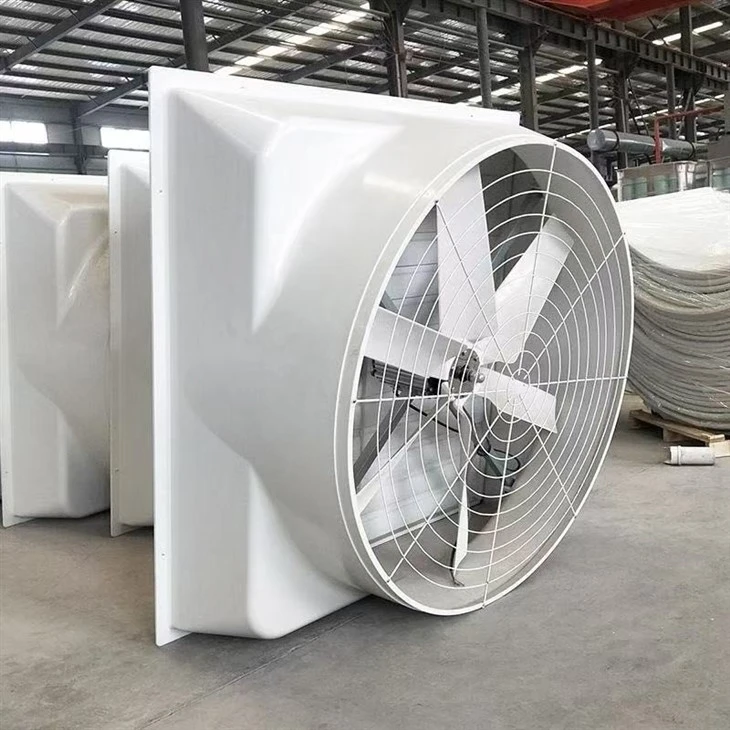

1. Proper Installation
The first step in ensuring the stability of an industrial fiberglass fan is proper installation. A poorly installed fan can lead to vibrations, uneven airflow, and premature wear and tear. Here are some important points to consider during installation:
- Location Selection: Choose a location that is free from obstructions and allows for proper air intake and exhaust. Make sure the fan is installed in a well-ventilated area to prevent overheating. For example, in a livestock barn, the fan should be placed at a height that provides optimal air circulation without causing drafts directly on the animals.
- Mounting: Use the appropriate mounting hardware and follow the manufacturer's instructions carefully. Ensure that the fan is securely mounted to a stable surface to minimize vibrations. In some cases, using vibration isolators can further reduce the impact of vibrations on the fan and its surroundings.
- Alignment: Proper alignment of the fan blades and motor is essential for smooth operation. Misaligned blades can cause imbalance, leading to excessive vibrations and reduced efficiency. Check the alignment during installation and make any necessary adjustments.
2. Regular Maintenance
Regular maintenance is key to keeping an industrial fiberglass fan stable and operating at its best. Here are some maintenance tasks that should be performed on a regular basis:
- Cleaning: Dust, dirt, and debris can accumulate on the fan blades and motor over time, affecting the fan's performance. Clean the fan blades and housing regularly using a soft brush or compressed air. In environments with high levels of dust, such as agricultural settings, more frequent cleaning may be required.
- Lubrication: If the fan has moving parts that require lubrication, make sure to use the recommended lubricant and follow the manufacturer's guidelines. Proper lubrication reduces friction and wear, extending the life of the fan. Check the lubrication levels regularly and top up as needed.
- Inspection: Conduct regular inspections of the fan to check for any signs of damage or wear. Look for cracks in the fiberglass housing, loose bolts, or worn-out bearings. Address any issues promptly to prevent further damage and ensure the stability of the fan.
3. Quality Components
Using high-quality components is essential for the stability and reliability of an industrial fiberglass fan. As a supplier, I always recommend choosing fans that are made from durable materials and have a proven track record of performance. Here are some factors to consider when selecting components:
- Fiberglass Material: The quality of the fiberglass used in the fan housing can have a significant impact on its durability and stability. Look for fans made from high-grade fiberglass that is resistant to corrosion, UV rays, and harsh environmental conditions.
- Motor: The motor is the heart of the fan, so it's important to choose a reliable and efficient motor. Look for motors that are designed for continuous operation and have a high power-to-weight ratio. A good motor will provide consistent performance and reduce the risk of breakdowns.
- Blades: The design and quality of the fan blades can affect the airflow and stability of the fan. Choose blades that are aerodynamically designed to provide optimal airflow and minimize noise. High-quality blades are also less likely to warp or break, ensuring long-term stability.
4. Monitoring and Control
Monitoring the performance of an industrial fiberglass fan is essential for detecting any potential issues early and taking corrective action. Here are some ways to monitor and control the fan:
- Temperature Monitoring: Install temperature sensors to monitor the temperature of the motor and other critical components. High temperatures can indicate a problem with the fan, such as overloading or poor ventilation. If the temperature exceeds the recommended range, take immediate action to address the issue.
- Vibration Monitoring: Use vibration sensors to detect any abnormal vibrations in the fan. Excessive vibrations can be a sign of imbalance, misalignment, or other mechanical problems. Regularly monitor the vibration levels and take corrective action if necessary.
- Control Systems: Consider using a control system to regulate the speed and operation of the fan. This can help optimize the airflow and energy consumption, as well as protect the fan from overloading. For example, in a livestock barn, a control system can adjust the fan speed based on the temperature and humidity levels inside the barn.
5. Training and Education
Proper training and education of the personnel responsible for operating and maintaining the industrial fiberglass fan are essential for ensuring its stability. Here are some ways to provide training and education:
- Operator Training: Provide training to the operators on how to properly start, stop, and adjust the fan. Make sure they understand the importance of following the manufacturer's instructions and safety guidelines.
- Maintenance Training: Offer maintenance training to the maintenance staff on how to perform regular maintenance tasks, such as cleaning, lubrication, and inspection. Provide them with the necessary tools and resources to carry out the maintenance effectively.
- Safety Training: Emphasize the importance of safety when working with industrial fiberglass fans. Provide training on how to handle the fan safely, including how to avoid electrical hazards and prevent injuries.
In conclusion, ensuring the stability of an industrial fiberglass fan during operation requires a combination of proper installation, regular maintenance, quality components, monitoring and control, and training and education. By following these tips, you can keep your fan running smoothly and efficiently, reducing the risk of breakdowns and extending its lifespan.
If you're in the market for an industrial fiberglass fan, we offer a wide range of high-quality products to meet your needs. Check out our Frp Cone Fan Livestock Ventilation Fan Agricultural With Good Quality, Warehouse Fiberglass Fan For Poultry Equipment, and Fiberglass Fan High Airflow For Livestock And Poultry House. Contact us today to discuss your requirements and explore how we can help you find the perfect fan for your application.
References
- ASHRAE Handbook - HVAC Systems and Equipment.
- Industrial Ventilation: A Manual of Recommended Practice.


