


As a supplier of industrial cooling pads, I've witnessed firsthand the transformative impact these innovative products have on indoor air circulation. In this blog post, I'll delve into the science behind industrial cooling pads and explore how they enhance air quality and comfort in various industrial and commercial settings.
How Industrial Cooling Pads Work
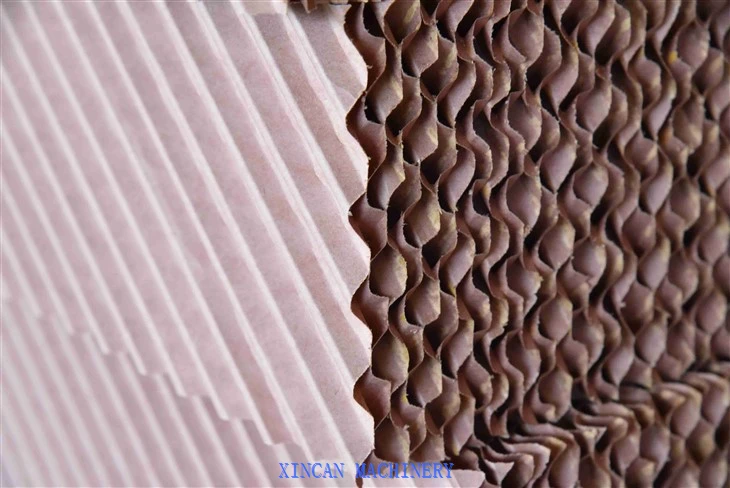
Industrial cooling pads are typically made from a special type of resin-coated paper, such as the 105gsm Resin Coated Paper For Making Cooling Pad. This paper is designed to have a large surface area and high porosity, allowing it to absorb and evaporate water efficiently. When air passes through the wet cooling pad, the water evaporates, absorbing heat from the air and cooling it down. This process is known as evaporative cooling.
The evaporative cooling effect of industrial cooling pads is based on the principle that water requires energy to change from a liquid to a gas. When water evaporates, it absorbs heat from its surroundings, which in turn cools the air. This natural cooling process is not only energy-efficient but also environmentally friendly, as it does not rely on refrigerants or compressors.
Improving Indoor Air Circulation
One of the key benefits of industrial cooling pads is their ability to improve indoor air circulation. By creating a continuous flow of cool, fresh air, these pads help to remove stale air, odors, and pollutants from the indoor environment. This is particularly important in industrial settings where air quality can be compromised by the presence of dust, fumes, and other contaminants.
Industrial cooling pads are often used in conjunction with ventilation systems to enhance air circulation. The pads are installed in the intake or exhaust vents of the ventilation system, where they cool and humidify the incoming air. As the cool air is circulated throughout the space, it helps to displace warm, stagnant air, creating a more comfortable and healthy indoor environment.
In addition to improving air quality, industrial cooling pads can also help to reduce energy consumption. By cooling the air naturally, these pads can reduce the load on air conditioning systems, which in turn can lower energy costs. This makes them an attractive option for businesses looking to save money on their energy bills while also reducing their environmental impact.
Applications of Industrial Cooling Pads
Industrial cooling pads are used in a wide range of applications, including:
- Agriculture: Honeycomb Pad For Cooling System For Poultry Equipment are commonly used in poultry houses, greenhouses, and other agricultural facilities to provide a cool and comfortable environment for animals and plants. The pads help to regulate temperature and humidity, which can improve the health and productivity of livestock and crops.
- Manufacturing: Industrial cooling pads are used in manufacturing plants to cool machinery, equipment, and workspaces. By reducing the temperature in these areas, the pads can help to prevent overheating and improve the efficiency of production processes.
- Commercial Buildings: Industrial cooling pads are also used in commercial buildings, such as offices, warehouses, and retail stores, to provide a comfortable indoor environment for employees and customers. The pads can be installed in the ventilation systems of these buildings to cool and humidify the incoming air, reducing the need for traditional air conditioning systems.
Factors Affecting the Performance of Industrial Cooling Pads
The performance of industrial cooling pads can be affected by several factors, including:
- Pad Thickness: The thickness of the cooling pad can affect its cooling efficiency. Thicker pads generally have a larger surface area and can absorb more water, which can result in greater cooling capacity.
- Pad Density: The density of the cooling pad can also affect its performance. Higher density pads have smaller pores, which can increase the surface area available for evaporation and improve cooling efficiency.
- Water Quality: The quality of the water used to wet the cooling pads can also affect their performance. Hard water, which contains high levels of minerals, can leave deposits on the pads, reducing their efficiency over time. It is important to use clean, filtered water to ensure optimal performance.
- Airflow Rate: The airflow rate through the cooling pads can also affect their cooling efficiency. Higher airflow rates can increase the rate of evaporation, but they can also reduce the contact time between the air and the water, which can lower the cooling capacity.
Conclusion
Industrial cooling pads are a cost-effective and energy-efficient solution for improving indoor air circulation and comfort. By creating a continuous flow of cool, fresh air, these pads help to remove stale air, odors, and pollutants from the indoor environment, creating a more comfortable and healthy workplace. Whether you're looking to cool a poultry house, a manufacturing plant, or a commercial building, industrial cooling pads can provide a reliable and effective solution.
If you're interested in learning more about our Industrial Cooling Pad products or would like to discuss your specific cooling needs, please don't hesitate to contact us. Our team of experts is available to provide you with more information and help you find the right solution for your application.

References
- ASHRAE Handbook - Fundamentals. American Society of Heating, Refrigerating and Air-Conditioning Engineers, Inc.
- Evaporative Cooling: Principles and Applications. National Renewable Energy Laboratory.
- Industrial Ventilation: A Manual of Recommended Practice. American Conference of Governmental Industrial Hygienists.


