


When it comes to industrial fiberglass fans, understanding the temperature range for their normal operation is crucial. As a leading supplier of industrial fiberglass fans, I've witnessed firsthand the importance of this factor in ensuring the longevity and efficiency of these essential pieces of equipment.
The Basics of Industrial Fiberglass Fans
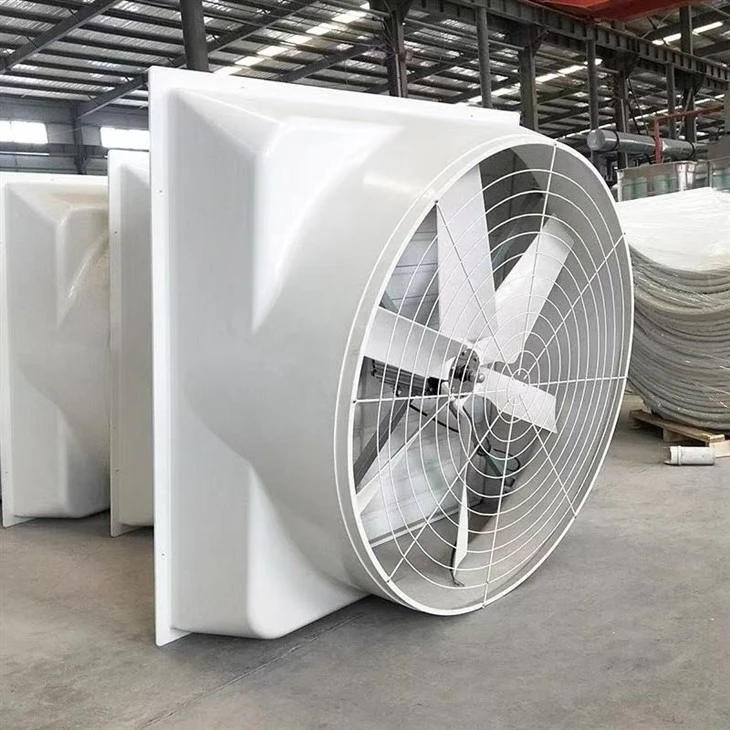
Industrial fiberglass fans are widely used in various industries due to their durability, corrosion resistance, and high performance. They are commonly found in environments where air circulation, ventilation, and exhaust are necessary, such as in manufacturing plants, warehouses, and agricultural facilities. Fiberglass, as a material, offers several advantages over traditional metals. It is lightweight, which reduces the load on the motor and makes installation easier. It is also highly resistant to corrosion, making it suitable for use in harsh chemical environments.
Temperature Range for Normal Operation
The temperature range for the normal operation of industrial fiberglass fans typically falls between -20°C to 80°C (-4°F to 176°F). However, this range can vary depending on several factors, including the specific design of the fan, the type of fiberglass used, and the application.
Low - Temperature Limitations
At low temperatures, fiberglass can become brittle. When the temperature drops below -20°C, the material loses some of its flexibility, which can lead to cracking or breakage, especially if the fan is subjected to mechanical stress. For example, in cold storage warehouses or outdoor applications during winter, the fan blades may be more prone to damage if the temperature is too low. It's important to choose a fan that is designed for low - temperature operation in such environments. Some industrial fiberglass fans are specially engineered with additives in the fiberglass resin to improve its low - temperature performance.
High - Temperature Limitations
On the high - temperature end, fiberglass fans start to face challenges when the temperature exceeds 80°C. At these elevated temperatures, the resin in the fiberglass can begin to degrade. This degradation can lead to a loss of structural integrity, causing the fan blades to warp or the fan housing to deform. In applications such as industrial ovens or high - temperature manufacturing processes, it's essential to select a fan that can withstand the specific high - temperature conditions. Some advanced industrial fiberglass fans are equipped with heat - resistant resins and insulation materials to extend their high - temperature operating range.
Applications and Temperature Considerations
Let's take a look at some common applications of industrial fiberglass fans and how temperature affects their performance.
Poultry Equipment Warehouses
In poultry equipment warehouses, proper ventilation is crucial to maintain a healthy environment for the birds. Industrial fiberglass fans are often used to remove stale air, moisture, and ammonia. The temperature in these warehouses can vary depending on the season and the number of birds. During the summer, the temperature can rise significantly, and the fans need to operate efficiently in high - temperature conditions. Our FRP Fans For Poultry Equipment Warehouse are designed to handle these temperature fluctuations, ensuring continuous and reliable ventilation.
Chicken Houses
Chicken houses require precise temperature and air quality control. The temperature in a chicken house can range from relatively cool during the night to warm during the day, especially in regions with hot climates. Our Industrial Fiberglass Fan For Chicken House Poultry Equipment is engineered to operate within the temperature range commonly found in chicken houses. It helps to maintain a comfortable environment for the chickens, which is essential for their growth and health.
Poultry Houses and Equipment
In general poultry houses and for various poultry equipment, proper air circulation is key. The temperature can vary depending on the type of poultry and the management practices. Our Hot Sale Frp Fan For Poultry House And Poultry Equipment is designed to meet the ventilation needs in these environments, regardless of the temperature variations.
Ensuring Optimal Performance
To ensure the optimal performance of industrial fiberglass fans within the appropriate temperature range, several steps can be taken.
Regular Maintenance
Regular maintenance is essential to keep the fans in good working condition. This includes inspecting the fan blades for any signs of damage, cleaning the fan housing to prevent the buildup of dirt and debris, and checking the motor and electrical components. During maintenance, it's also important to check the temperature sensors and controls to ensure they are functioning correctly.
Proper Installation
Proper installation is crucial for the efficient operation of industrial fiberglass fans. The fans should be installed in a location where they can receive adequate air intake and exhaust. They should also be mounted securely to prevent vibration, which can cause damage to the fan and reduce its lifespan. Additionally, the installation should take into account the temperature conditions of the environment. For example, in high - temperature areas, the fan should be installed with proper insulation to protect it from excessive heat.

Temperature Monitoring
Installing temperature monitoring devices in the vicinity of the fans can help to ensure that they are operating within the recommended temperature range. These devices can provide real - time temperature data, allowing for timely adjustments if the temperature approaches the limits.
Contact Us for Your Industrial Fiberglass Fan Needs
If you are in the market for industrial fiberglass fans, it's important to choose a reliable supplier who can provide you with high - quality products that are suitable for your specific temperature requirements. Our company has extensive experience in manufacturing and supplying industrial fiberglass fans for a wide range of applications. We offer a variety of fan models, each designed to meet different temperature and performance needs.
Whether you need a fan for a poultry equipment warehouse, a chicken house, or any other industrial application, we can provide you with the right solution. Contact us today to discuss your requirements and start the procurement process. Our team of experts is ready to assist you in selecting the most suitable industrial fiberglass fan for your needs.
References
- "Fiberglass Reinforced Plastics Handbook" by ASM International
- "Industrial Ventilation: A Manual of Recommended Practice" by the American Conference of Governmental Industrial Hygienists


